History of the Teatro Sociale di Como and its Arena
When you park at the Arena, you are standing right inside Como’s history: behind the Teatro Sociale, one of the oldest and most charming theatres in Northern Italy. Here is how it began, how it changed and what it offers you today.

Origins: a theatre wanted by the city (1807–1813)
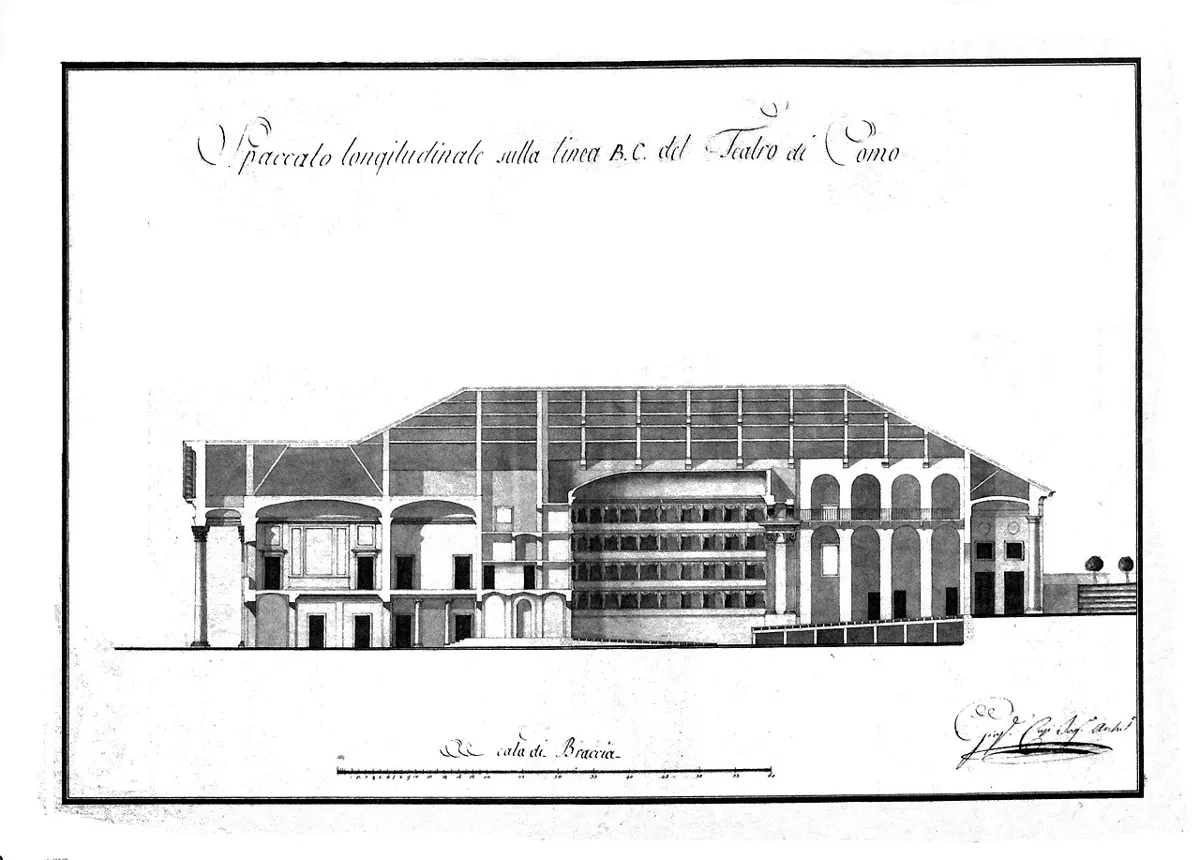
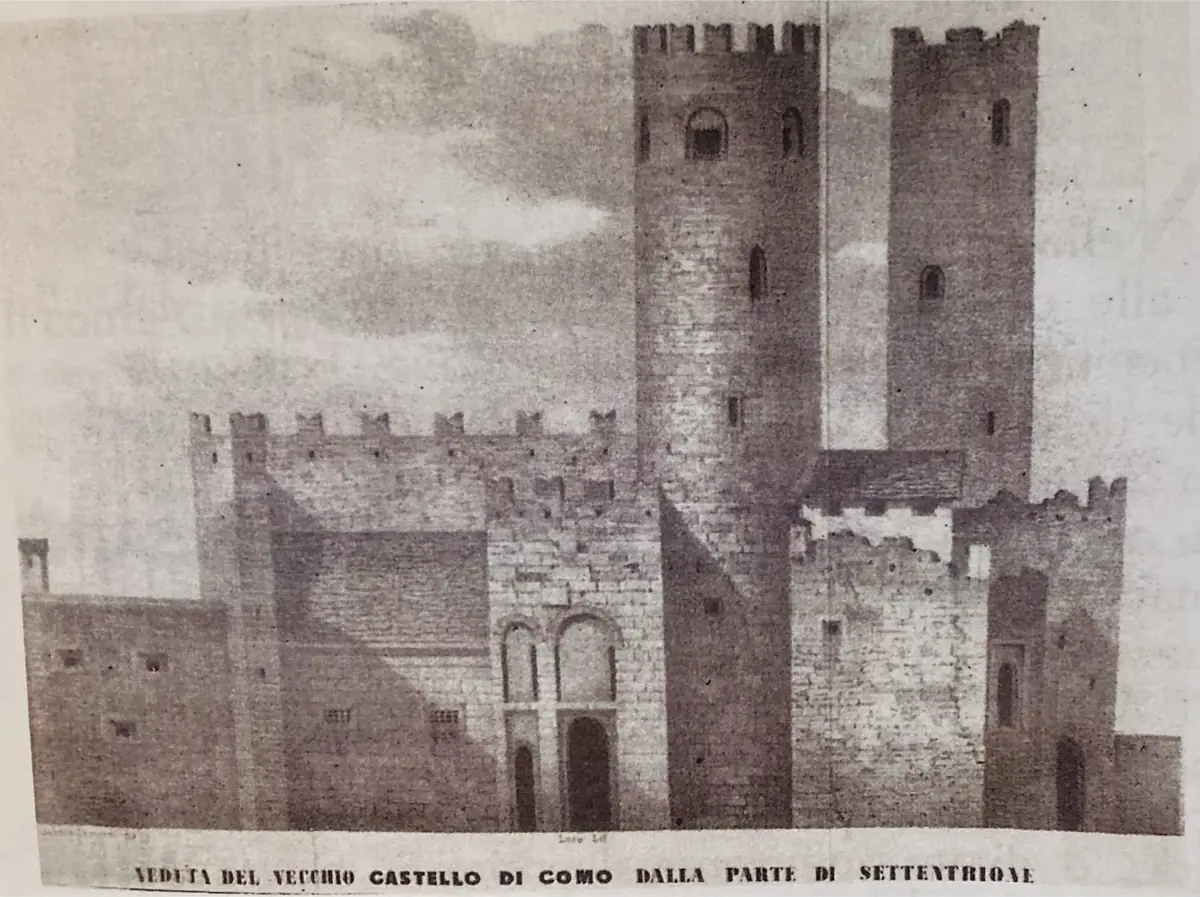
As early as 1807, negotiations were under way to acquire the site of the Castello della Torre Rotonda, a 13th-century fortification, in order to build the “New Grand Theatre of Como”. The promoter was Count Giampietro Porro, podestà of Como, supported by Alessandro Volta, then president of the town council. The theatre was built at the initiative of the Società dei Palchettisti (the society of box owners), founded by the podestà himself.
Work began in 1811 to a design by the architect Giuseppe Cusi; in 1812 site management passed to Luigi Canonica, the leading theatre builder of the time. Also in 1812, Alessandro Sanquirico painted the great curtain showing the death of Pliny the Elder, a native of Como, during the eruption of Vesuvius.
On the evening of 28 August 1813 the curtain rose for the first time, with “Adriano in Siria” by Antonio Fonseca Portugal and “I pretendenti delusi” by Giuseppe Mosca. 1813 is also the year Giuseppe Verdi and Richard Wagner were born.
The façades and the auditorium
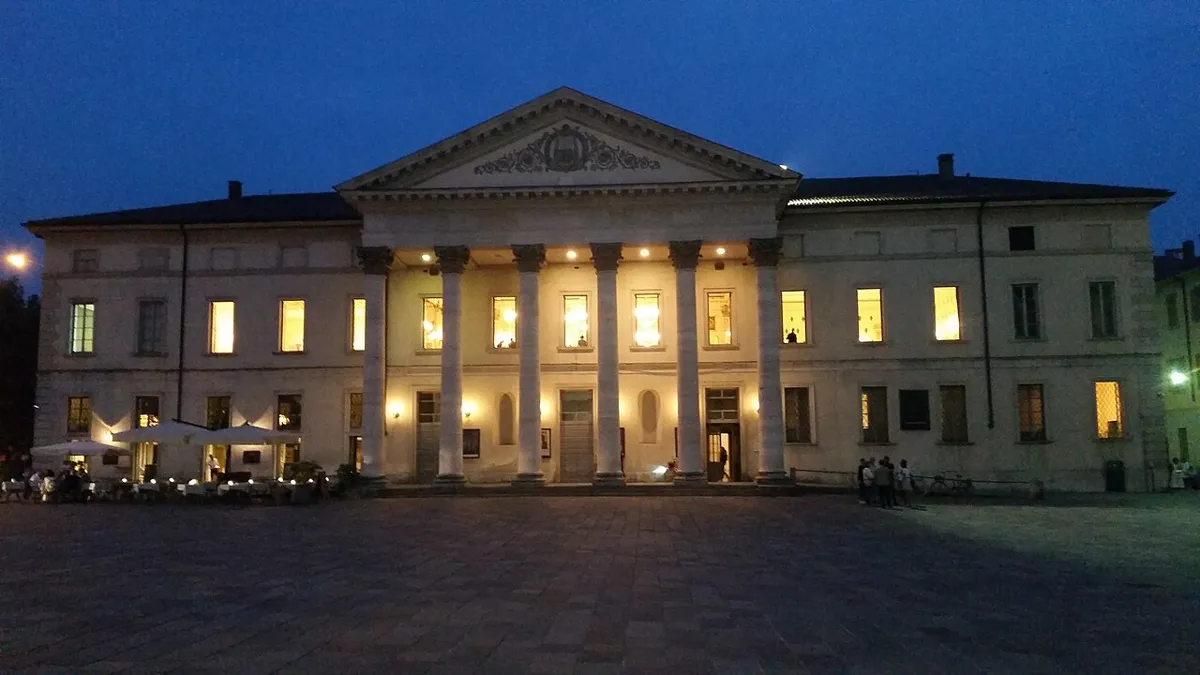
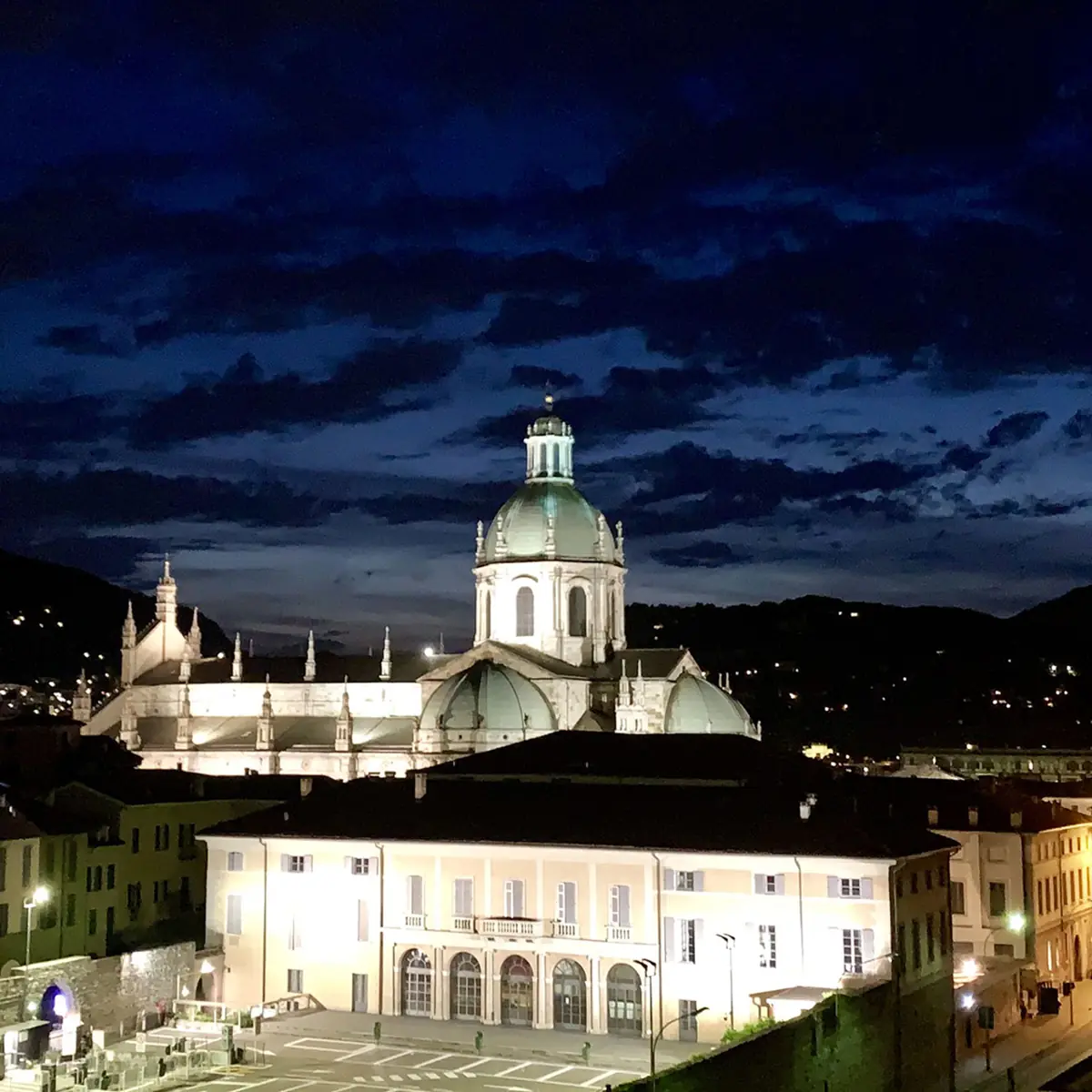
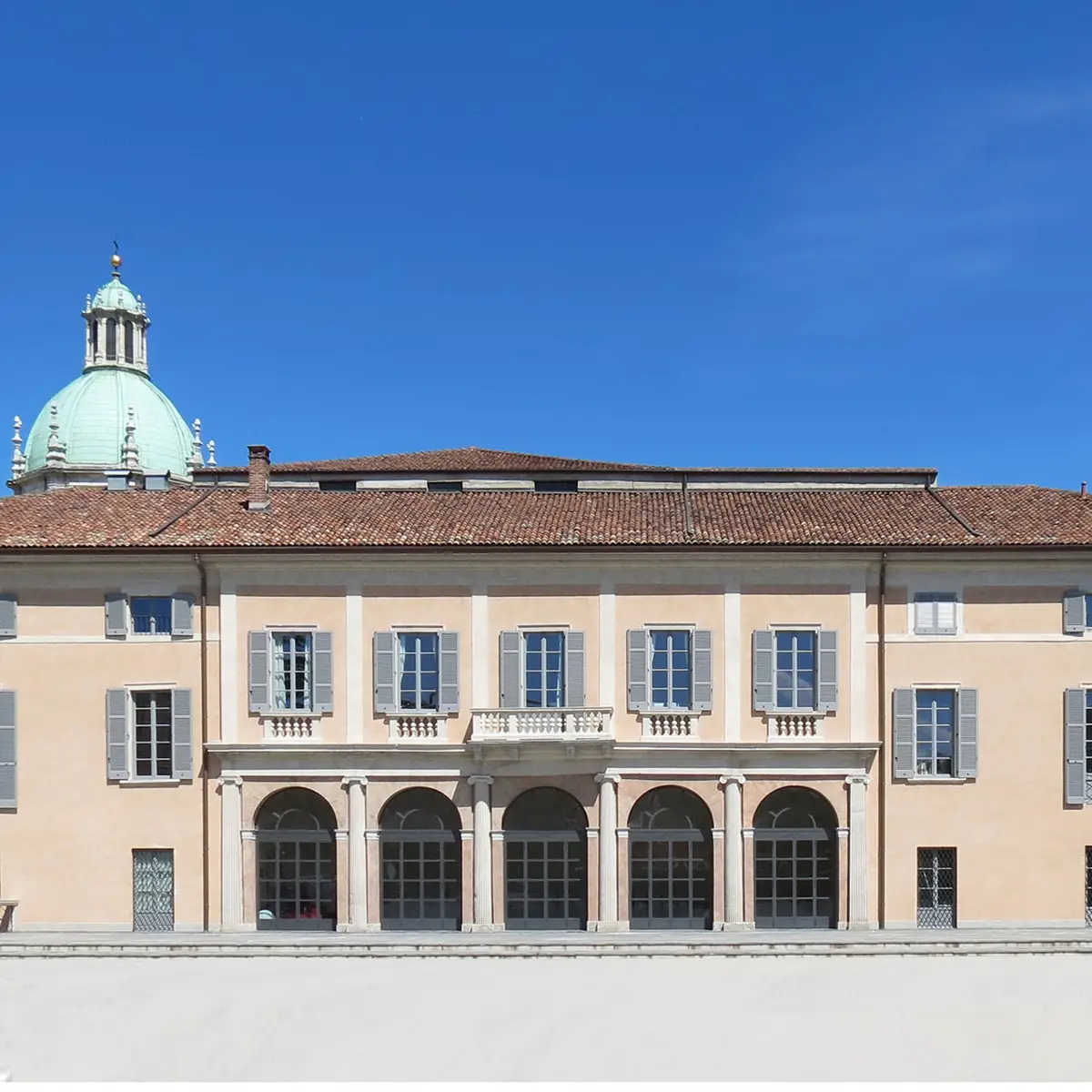
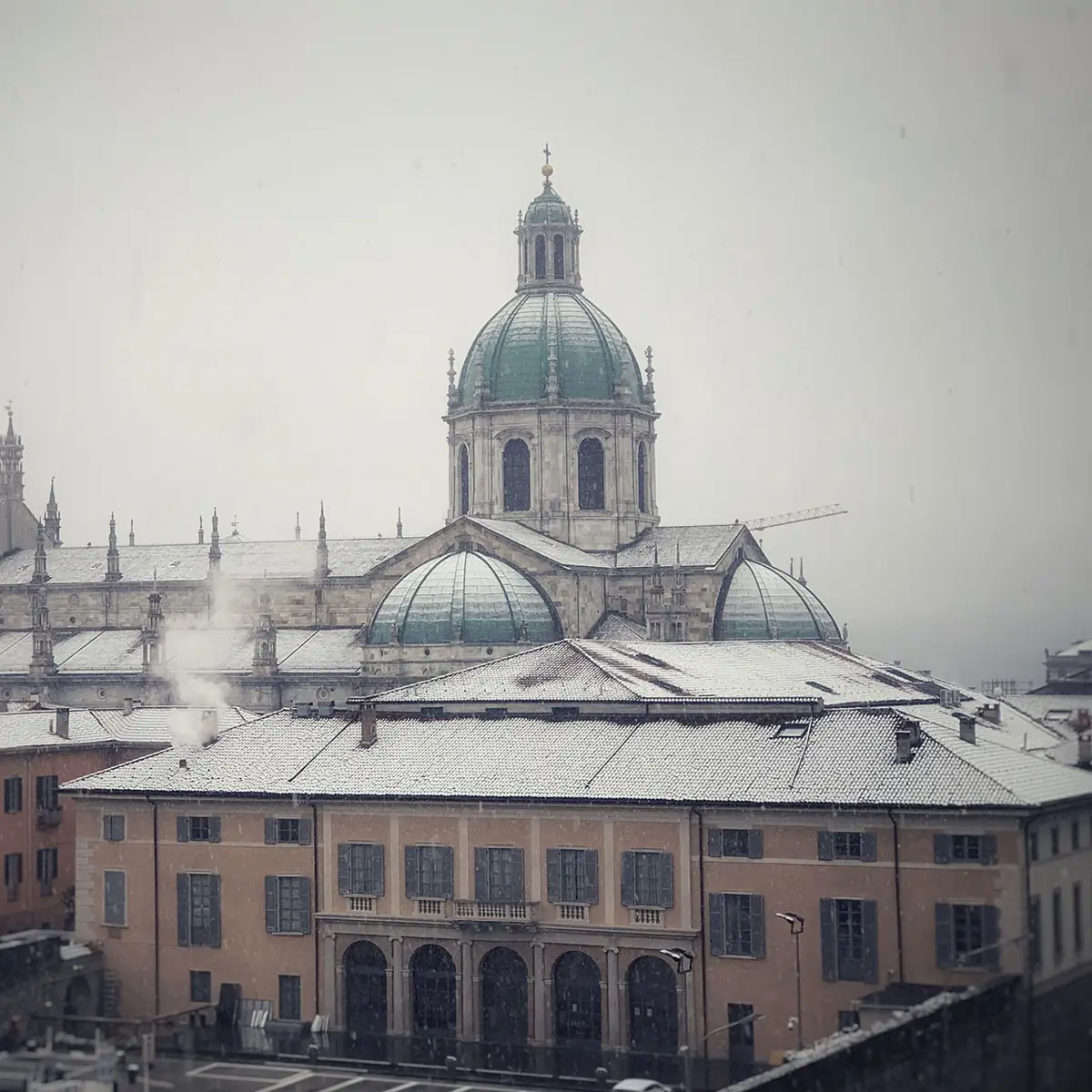
At the opening the façades were not yet finished: Luigi Canonica completed the northern façade in 1819 and, after redesigning it, the southern façade between 1819 and 1821. On Piazza Verdi stands the sober neoclassical façade with its columned portico.
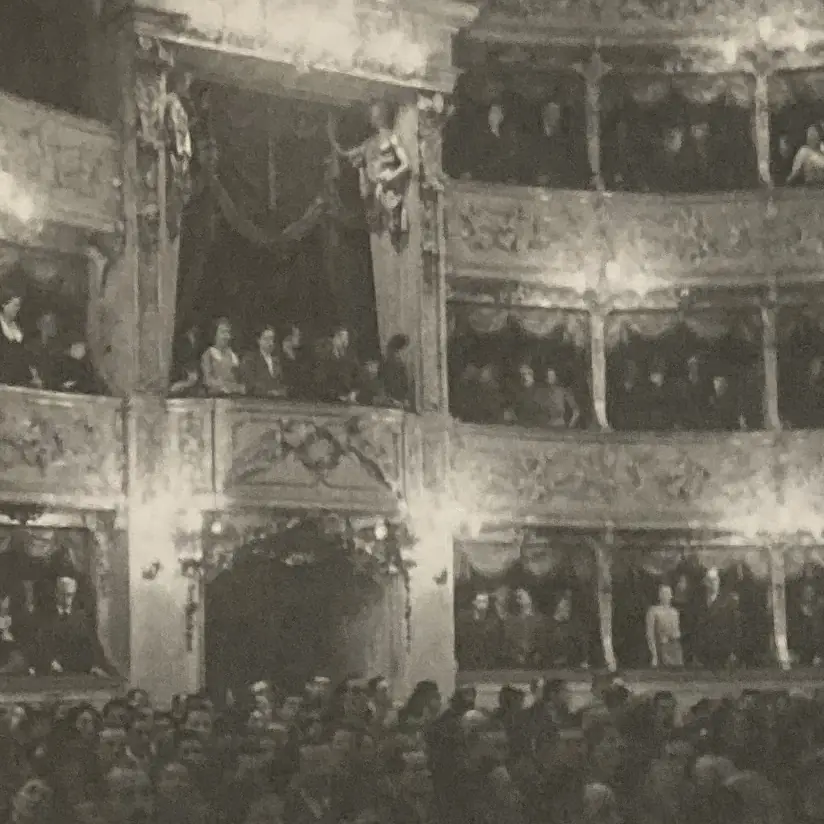
The auditorium is shaped like a cello case, with a wooden structure and five tiers: three tiers for the 72 privately owned boxes, plus the royal box, and two galleries.

The 19th century: great artists and transformations
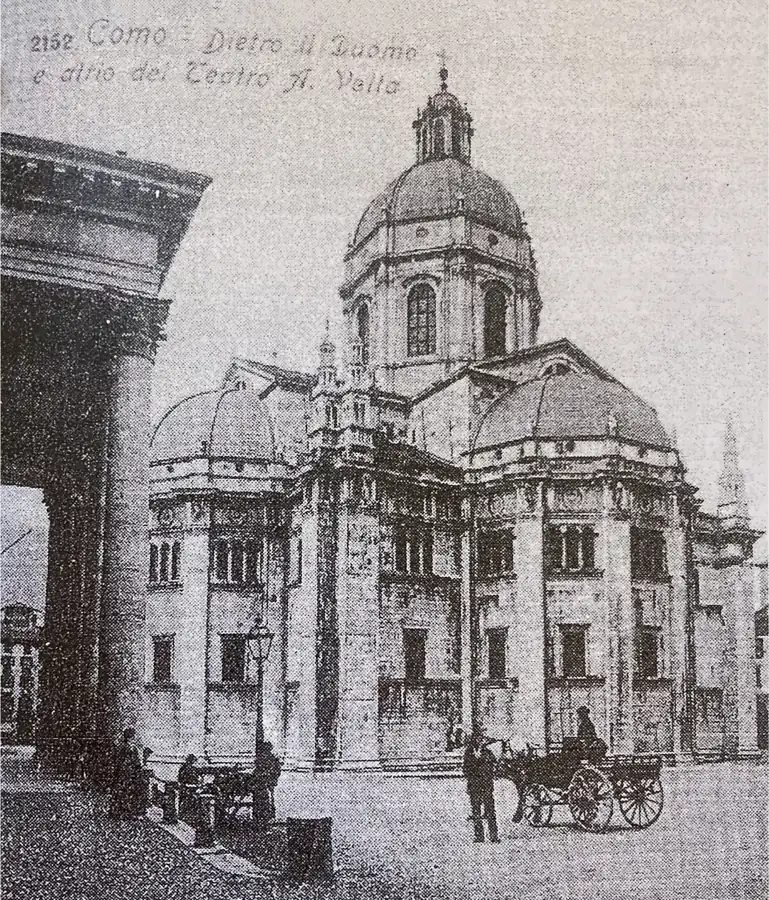
Niccolò Paganini (1823) and Franz Liszt (1837) performed at the Sociale; on 24 December 1837 Cosima Liszt, Wagner’s future wife, was born in Como. Many works followed: in 1855 the enlargement by engineer Leopoldo Rospini added 38 boxes and the fifth tier, and the vault was repainted by Eleuterio Pagliano to a design by Gaetano Spelluzzi, with the Muses crowning the artists; gas lighting arrived in 1864 and, in 1899, for the centenary of Volta’s battery, electric light.
The Arena: from garden to car park
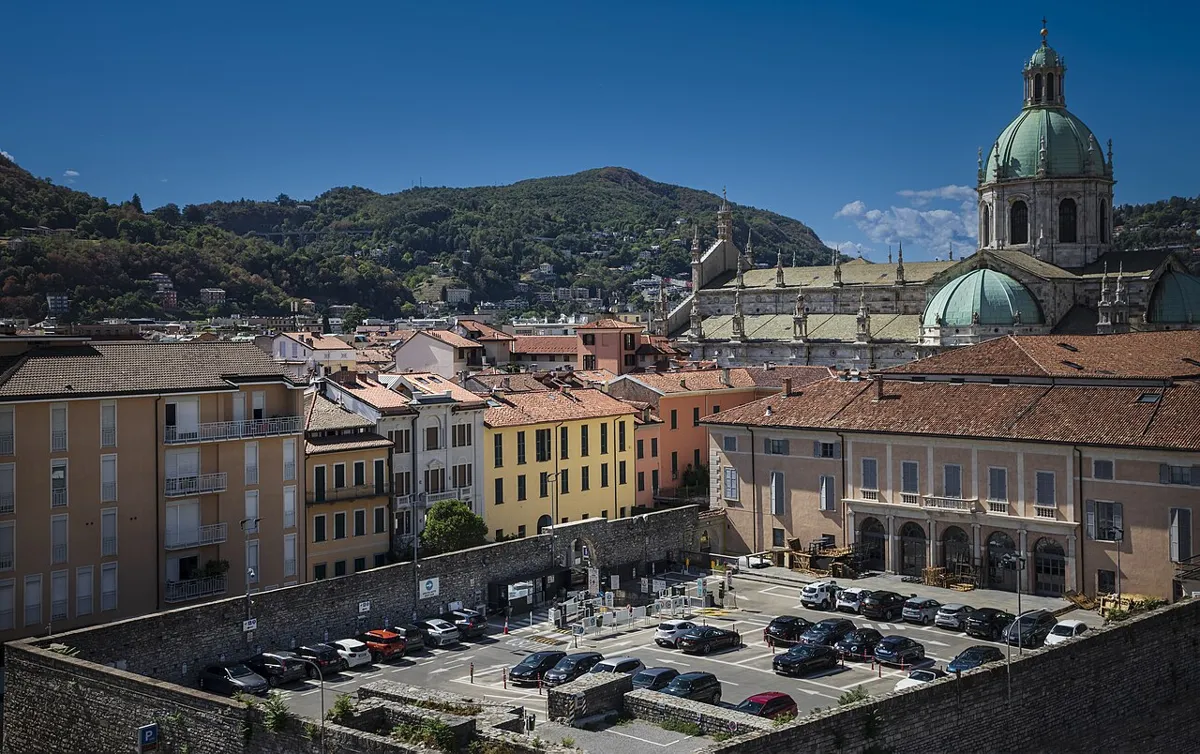
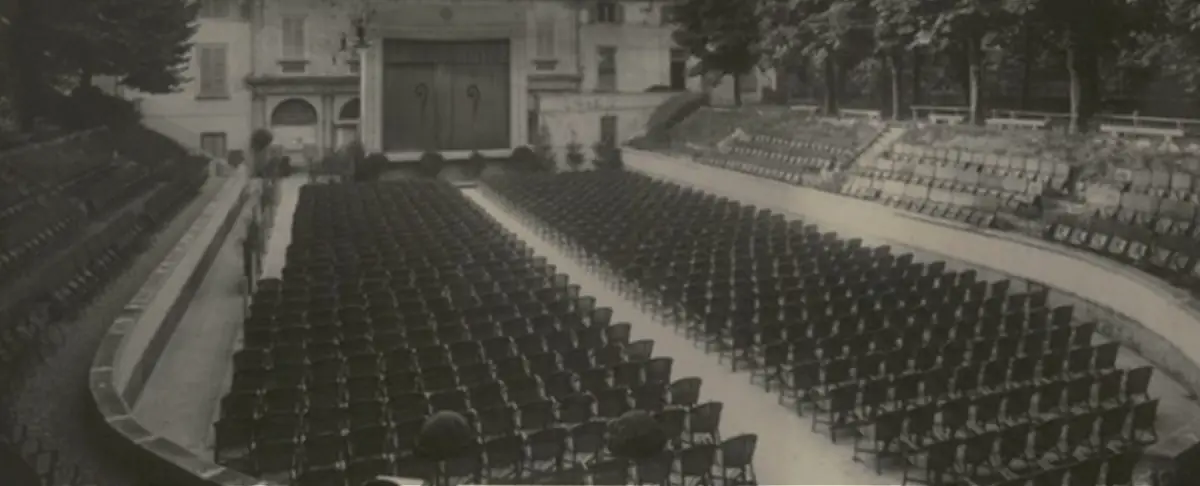
The Arena is the open-air area behind the southern façade, laid out to Cusi’s plans and opened to the public in 1851, with horseshoe-shaped terraces surrounded by greenery. In the early 20th century it was also used as an open-air cinema.
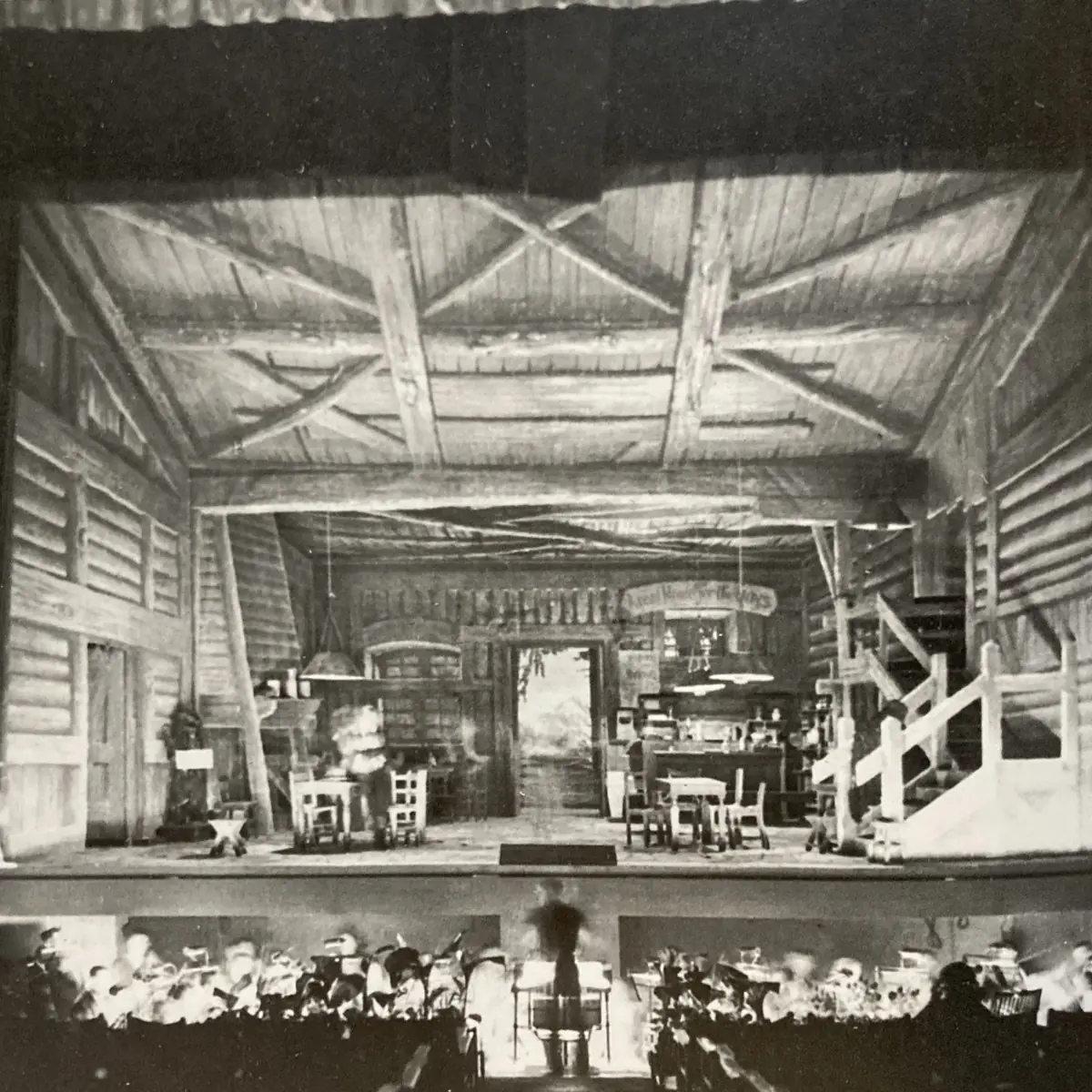
In 1938 engineer Carlo Ponci built the “open-air Arena Theatre”: a covered stage with a fly tower and reinforced-concrete terraces reaching the walls along Via Indipendenza, for up to 4,000 people. Partly because of the war, it never achieved the hoped-for success; by the 1960s it was disused, and in 1970 the municipality demolished the terraces to make way for today’s car park.

The “Piccola Scala” and the 20th century
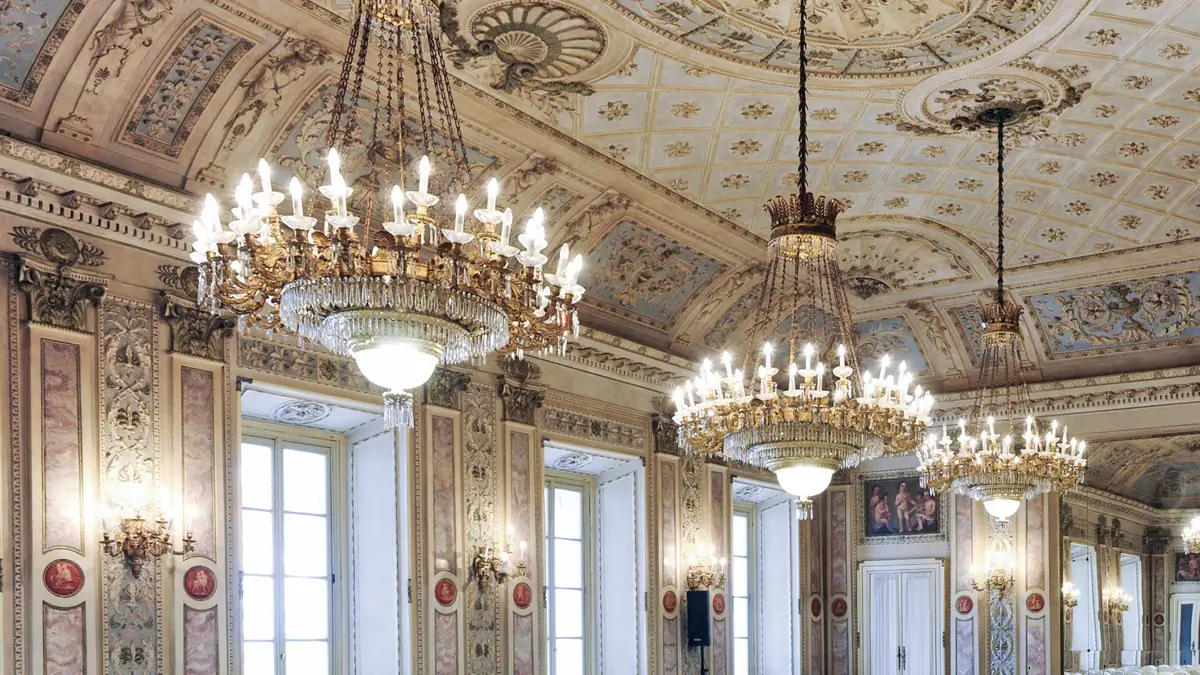
After the 1943 bombing of Milan’s Teatro alla Scala, La Scala’s 1943-44 opera season was held at the Sociale: hence the nickname “Piccola Scala” (Little Scala). In 1911 Franz Lehár chose Como for the Italian premiere of “Amor di zingaro”; in 1904-05 the “Sala Bianca” (White Hall) of the foyer was created, restored in 1975.
The Arena’s return and the theatre today
Since 1 January 2002 the theatre has been managed by AsLiCo. Between 2004 and 2006 the stage was rebuilt and mechanised. In 2010, ahead of the bicentenary, the 1930s fly tower was demolished, revealing Canonica’s southern façade once more; in June 2013 the new Arena opened with “200.Com Carmina Burana”, involving more than 450 professional and amateur performers.
Today the theatre is open more than 300 days a year, belongs to the OperaLombardia circuit and is a producing theatre. It is known throughout Europe for Opera Education (Opera domani began in 1996) and hosts the Competition for Young Opera Singers. In summer the Arena, which the rest of the year is our car park, hosts the Festival Como Città della Musica (since 2008), with up to 1,500 seats.
National monument: when and why
The Teatro Sociale is often described as a “national monument”, but legal recognition is not yet final. On 3 April 2024 the Italian Chamber of Deputies approved the consolidated bill “Declaration of national monument status for Italian theatres”, whose list includes the Teatro Sociale di Como. The bill (S. 821-B) was assigned to the Senate on 9 April 2024 and, as far as we can tell, has not yet received final approval. As of today, therefore, there is no law or decree in force with a date of declaration.
The text approved by the Chamber provides that theatres built at least 100 years ago may be declared national monuments if their live-performance programme receives public funding or if they have already been recognised as being of cultural interest. The Sociale has more than two centuries of history and is still active today, more than 300 days a year. Its value lies in the horseshoe-shaped auditorium, shaped like a cello case, with three tiers of boxes and two galleries; in the neoclassical façades designed by Cusi and completed by Canonica; in Sanquirico’s curtain and Pagliano’s vault; and in its cultural role, from the “Piccola Scala” of 1943-44 to the Opera Education projects.
Key dates
- 1807 – negotiations for the Castello della Torre Rotonda site
- 1811 – work begins, design by Giuseppe Cusi
- 1812 – site management to Luigi Canonica; Sanquirico’s curtain
- 28 August 1813 – opening with “Adriano in Siria”
- 1819–1821 – façades completed
- 1851 – the Arena opens
- 1855 – enlargement: 38 new boxes and a fifth tier
- 1899 – electric light
- 1938 – “open-air Arena Theatre” for up to 4,000 people
- 1943-44 – La Scala’s season in Como: the “Piccola Scala”
- 1970 – terraces demolished: the car park is born
- 2002 – management passes to AsLiCo
- 2010 – 1930s fly tower demolished
- June 2013 – bicentenary and new summer Arena
- 3 April 2024 – Chamber of Deputies approves the “national monument” bill
The theatre’s official website
Programme, tickets and more on the official website of the Teatro Sociale di Como: teatrosocialecomo.it
Sources
- Teatro Sociale di Como – Storia
- Teatro Sociale di Como – Arena
- Teatro Sociale di Como – Scheda tecnica (PDF)
- Wikipedia – Teatro Sociale (Como)
- Camera dei deputati – Dichiarazione di monumento nazionale di teatri italiani (A.C. 982-A, approvato il 3/4/2024)
- Senato della Repubblica – DDL S. 821-B
- Wikimedia Commons – Category:Teatro Sociale (Como)
🅿️ Park at the Arena for performances at the Teatro Sociale →